
TL;DR
- Faith: Lasting growth doesn’t come from trying harder—it comes from loving the right thing most.
- Love: Marriage thrives when two friends journey toward a shared horizon and learn how to rest together.
- Optimal Health: Consistency beats motivation when you pre-commit and design constraints.
- Work: Success is effort plus luck—and you can create luck by showing up more, not perfecting more.
Looking Back Before Moving Forward
I once read that one way to tell if you’re growing is to look at who you were one, two, or three years ago—and notice how incomplete or naïve that version of yourself now feels.
The New Year naturally brings excitement and hope for what’s ahead.
But it also invites something quieter and more honest: reflection on the year behind us.
For me, 2025 was the year everything increased at once.
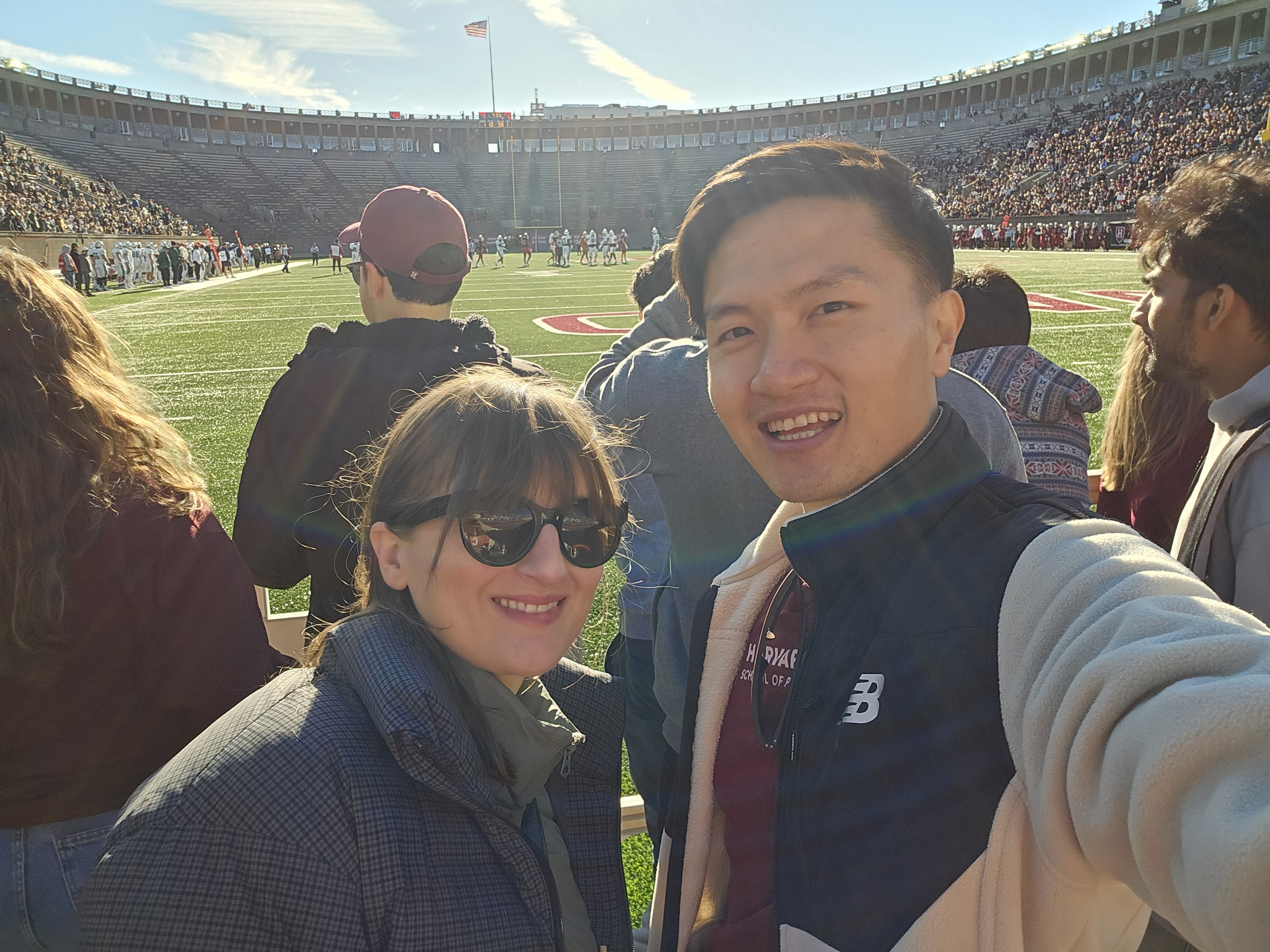
I moved to Boston to begin a part-time MPH in Epidemiology at Harvard. I became co-president of Parents@Harvard Chan and launched a Whole-Life Leadership speaker series. My responsibilities at work expanded. And most meaningfully of all, our older daughter turned two and our younger turned one.
Juggling all of this forced a question I couldn’t avoid:
What does it actually take to build a whole life—one that holds faith, family, health, and work together without burning out?
I came to see that I needed to strengthen four key pillars to stand strong for myself and for my family. I call this framework FLOW: Faith, Love, Optimal Health, and Work.
Together, these four pillars became my way of making sense of a year that demanded everything—and deciding what to carry forward.
Here are the lessons each pillar taught me in 2025, and what I’m carrying into 2026.
1. Faith: Growth Comes From Loving the Right Thing Most
Lasting transformation doesn’t come from trying harder or smarter—it comes from loving the supreme thing supremely.
For years, I approached growth primarily through self-discipline: books, systems, routines, optimization—much of it reflected in articles I’ve written on WeZBest.
But in 2025, I saw the limits of self-help and how subtly it can replace faith.
This shift was shaped deeply by the teaching of Tim Keller, especially his sermon on self-control grounded in 1 Corinthians 9:25–27, where Paul compares the Christian life to an athlete training for a race:
All athletes are disciplined in their training. They do it to win a prize that will fade away, but we do it for an eternal prize. So I run with purpose in every step. I am not just shadowboxing. I discipline my body like an athlete, training it to do what it should. Otherwise, I fear that after preaching to others I myself might be disqualified.
The key insight isn’t discipline—it’s desire.
Athletes don’t train because they enjoy suffering.
They train because they love the prize.
In the same way, real self-control flows from loving God above all else—not from white-knuckling better behavior. When priorities are ordered rightly, discipline follows naturally.
This reminded me of Begin with the End in Mind from The 7 Habits of Highly Effective People. For Christians, the “end” isn’t status or output—it’s faithfulness. Legacy. What it might mean one day to hear, “Well done, good and faithful servant.”
With two kids now watching everything I do, that “end” suddenly feels very real.
What I’m carrying into 2026:
Build my days around God—instead of fitting God into the margins.
2. Love: Friendship Journeying Toward a Common Horizon
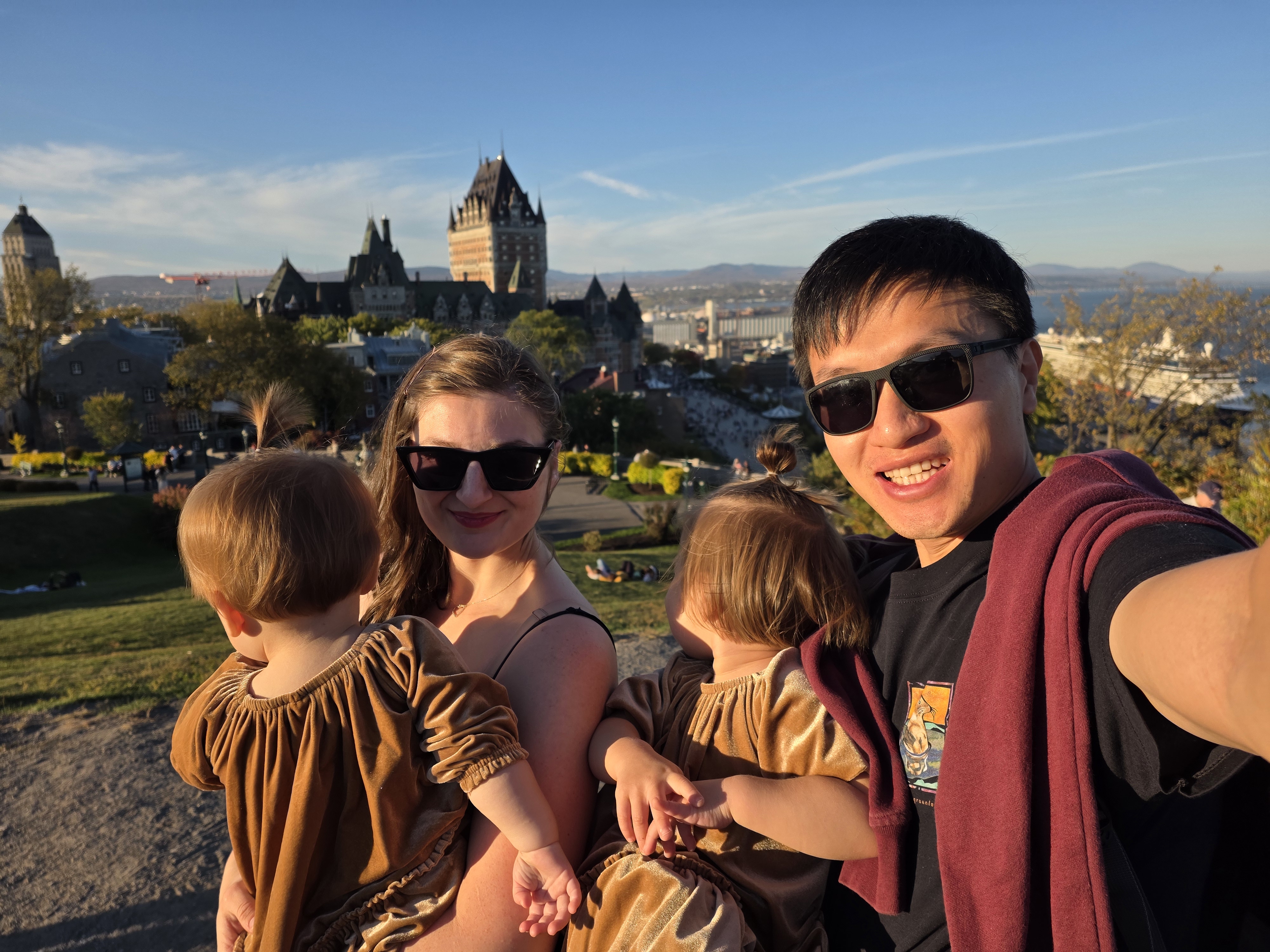
This year taught me three things about love: friendship gives direction, rest gives closeness, and grace makes growth possible.
2.1 Friendship First
This year stretched our marriage in familiar ways: exhaustion, deadlines, parenting logistics, and constant tradeoffs. In those moments, it’s easy to prioritize efficiency over presence.
One metaphor reshaped how I think about marriage.
In his sermon “Marriage as Friendship,” Keller describes biblical marriage as two best friends journeying together toward a common horizon:
“Marriage is not romance garnished with friendship. Rather, biblically, marriage is friendship garnished with romance… a deep oneness that comes from two people journeying together toward a common horizon.”
For my wife and me, that often looks like our best conversations happening late at night, after the kids are asleep—talking not just about logistics, but about where we’re going, who we’re becoming, and what kind of life we want to build together.
And when things get hard, that horizon matters even more. In The Meaning of Marriage, Keller writes:
“The common horizon husband and wife look toward is the Throne, and the holy, spotless, and blameless nature we will have. I can think of no more powerful common horizon than that, and that is why putting a Christian friendship at the heart of a marriage relationship can lift it to a level that no other vision for marriage approaches.”
That vision reframes conflict. Feeling stressed in marriage (or life) doesn’t mean something is broken. It often means you’re being shaped, stretched, and grown.
2.2 The Discipline of Doing Nothing
Another thing I learned this year—largely from my wife—is that closeness doesn’t always come from talking, planning, or doing more things.
Sometimes it comes from simply being next to each other without an agenda.
Journeying toward a common horizon doesn’t mean we’re always moving forward. Sometimes it means stopping together—sitting down after a long day, letting the moment be what it is.
Walking around in the neighborhood. Sitting together while the kids play. Enjoying the view for a moment instead of rushing toward the next destination.
Friendship isn’t only built through deep conversations and shared plans. It’s also built through shared stillness.
2.3 Grace Over Self-Centeredness
Marriage exposes our selfishness—especially under pressure—but it also invites us into sacrificial, other-centered love.
Keller often pointed out that the root of most marriage problems is self-centeredness. And the solution isn’t trying harder—it’s remembering how Christ loved the Church. Paul writes in Ephesians 5:
21 Submitting to one another out of reverence for Christ. 25 Husbands, love your wives, as Christ loved the church and gave himself up for her. 33 However, let each one of you love his wife as himself, and let the wife see that she respects her husband.
A personal communication class I took in college taught me that “all conflicts come from discrepancy of expectations.” And when I feel frustrated by such discrepancy, this insight reminded me to pause and ask: Is self-centeredness driving my response?
One practical tool that’s helped me is to start every interaction with love—especially when tired or stressed. That means saying “I love you” and “Thank you for…” more. Showing empathy before offering solutions.
One analogy that stuck with me: instead of trying to turn on the light for someone sitting in the dark, sit in the dark with them first.
As Keller writes in The Meaning of Marriage:
Truth without love ruins the oneness, and love without truth gives the illusion of unity but actually stops the journey and the growth. The solution is grace. The experience of Jesus’s grace makes it possible to practice the two most important skills in marriage: forgiveness and repentance. Only if we are very good at forgiving and very good at repenting can truth and love be kept together.
What I’m carrying into 2026:
Treat marriage as a friendship I nurture, through constant repentance and forgiveness.
3. Optimal Health: Consistency Comes From Pre-Commitment
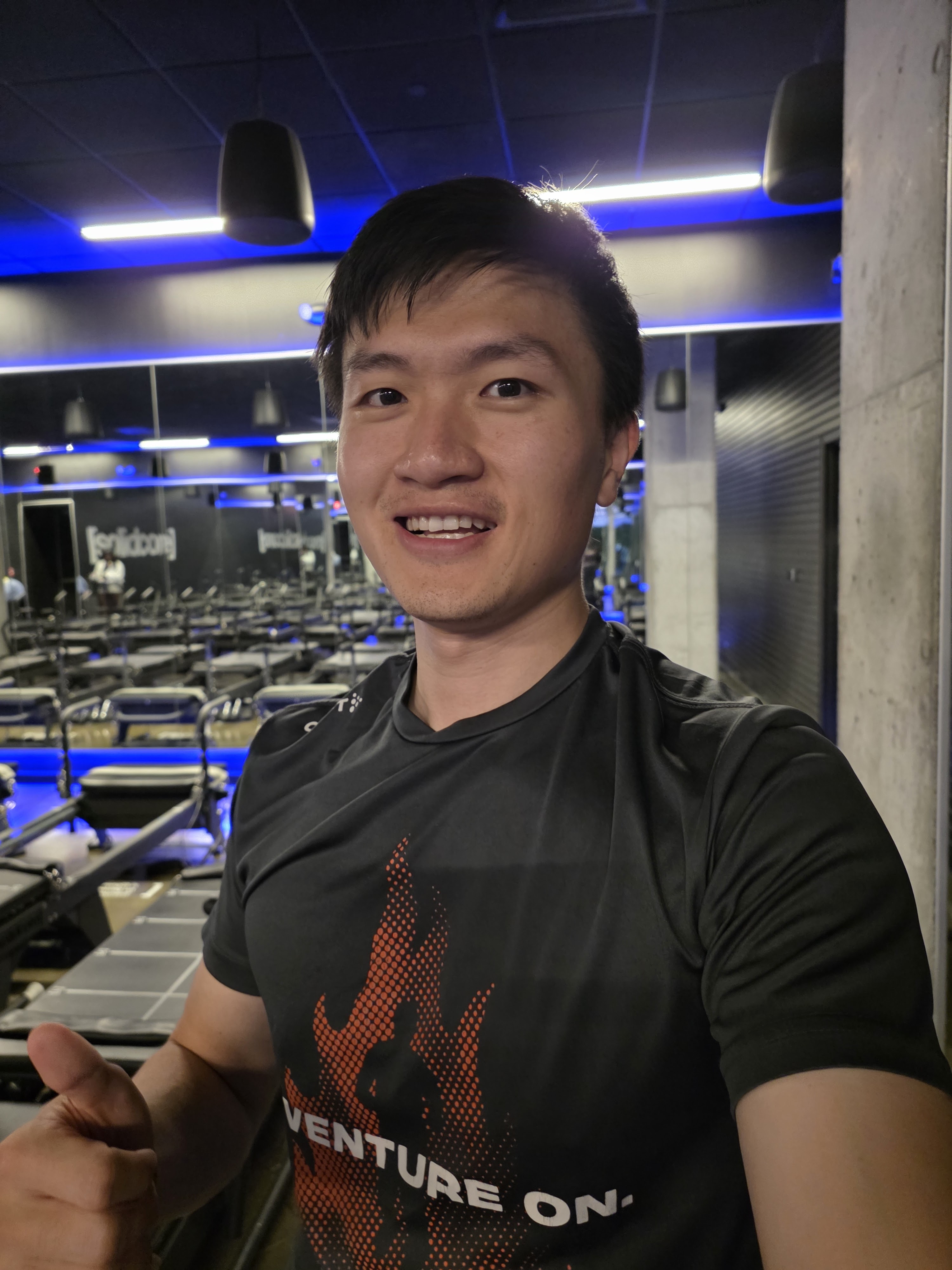
Consistency doesn’t come from motivation—it comes from pre-commitment and constraints.
In the later part of 2025, I stopped relying on willpower and started designing systems that made showing up unavoidable.
I experimented with booking workouts in advance—miss a class, pay a fee. That single rule made consistent workout more achievable for busy dad than anything else I’ve tried.
I woke up earlier—even after rough nights with kids. I went to sleep earlier because I had to. One small but powerful habit supported it all: keeping phones out of the bedroom.
The lesson wasn’t about fitness.
It was about removing decisions from moments of weakness or hesitation.
What I’m carrying into 2026:
Decide once. Pre-commit. Then show up.
4. Work: Creating Luck Without Losing What Matters
Professional success is effort plus luck—and you can create luck by showing up and producing more.
This year reframed how I think about opportunity.
I was reminded—through talks, reading, and experience—that luck favors motion. Showing up. Asking questions. Producing work. Being visible.
Research summarized in Adam Grant’s Originals shows that the most successful creators don’t just produce high-quality work—they produce a lot of work. More reps. More chances.
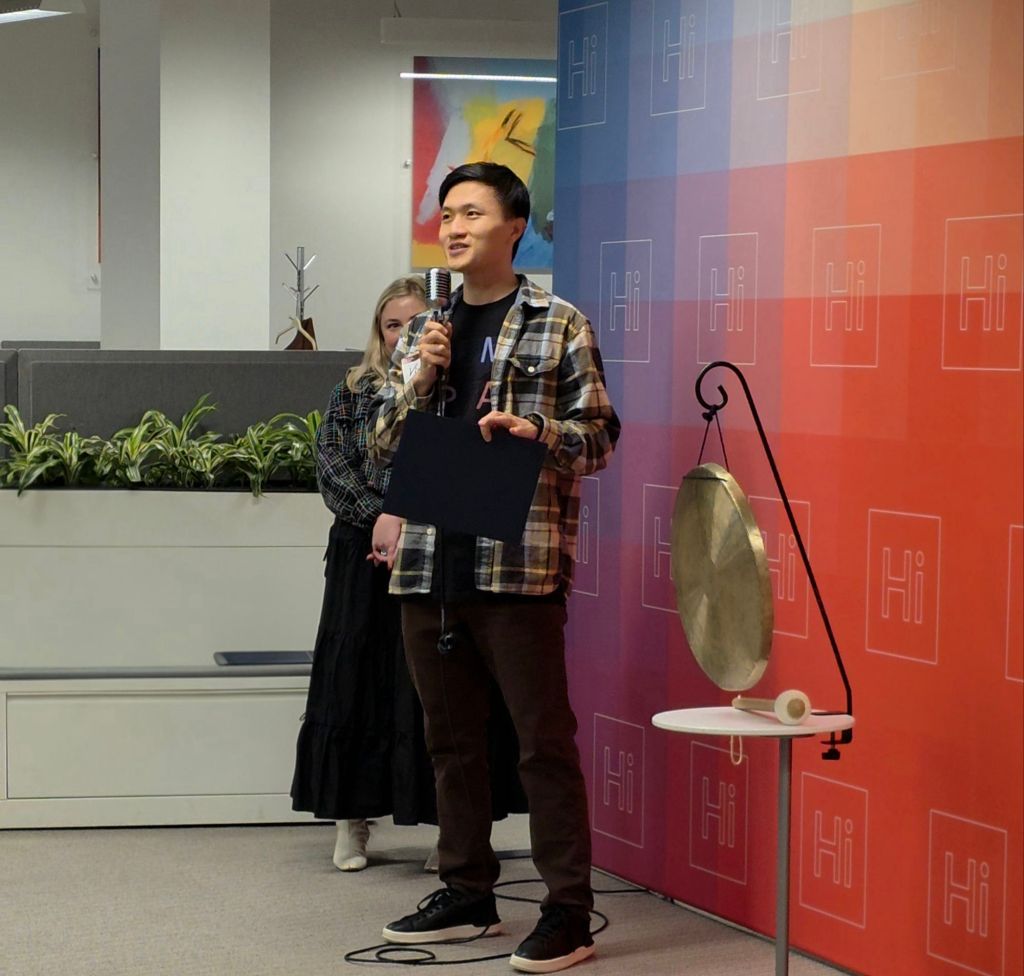
So I showed up more. Went to events. Asked questions. Put ideas out there. Brought my family along whenever possible. That’s how I became the co-president of the Harvard Chan parents’ club and was recognized by the Harvard Innovation Labs with a Community Engagement Award.
At the same time, I relearned the 80/20 rule:
- At work: build what matters now, not what might matter someday.
- At school: master the core concepts—don’t drown in details.
What I’m carrying into 2026:
Optimize less. Build more. Place myself where growth can happen.
Closing: The Tone for 2026
2025 taught me this:
A whole life isn’t built by doing more.
It’s built by ordering what matters—and designing life around it.
In 2026, I’m not chasing balance.
I’m building alignmen.
These four questions will be my compass—especially when life gets busy and clarity is hardest to find:
- Faith: What do I love most when life gets busy?
- Love: Is self-centeredness getting in the way of truly loving others?
- Optional health: What system can help me show up when motivation fails?
- Work: Where can I create opportunity simply by being present?
If this reflection resonated, I’ll be sharing more lessons from my own journey, and conversations with others through the Whole-Life Leadership speaker series I launched through Harvard student organizations.


